Why the grand tourer still matters
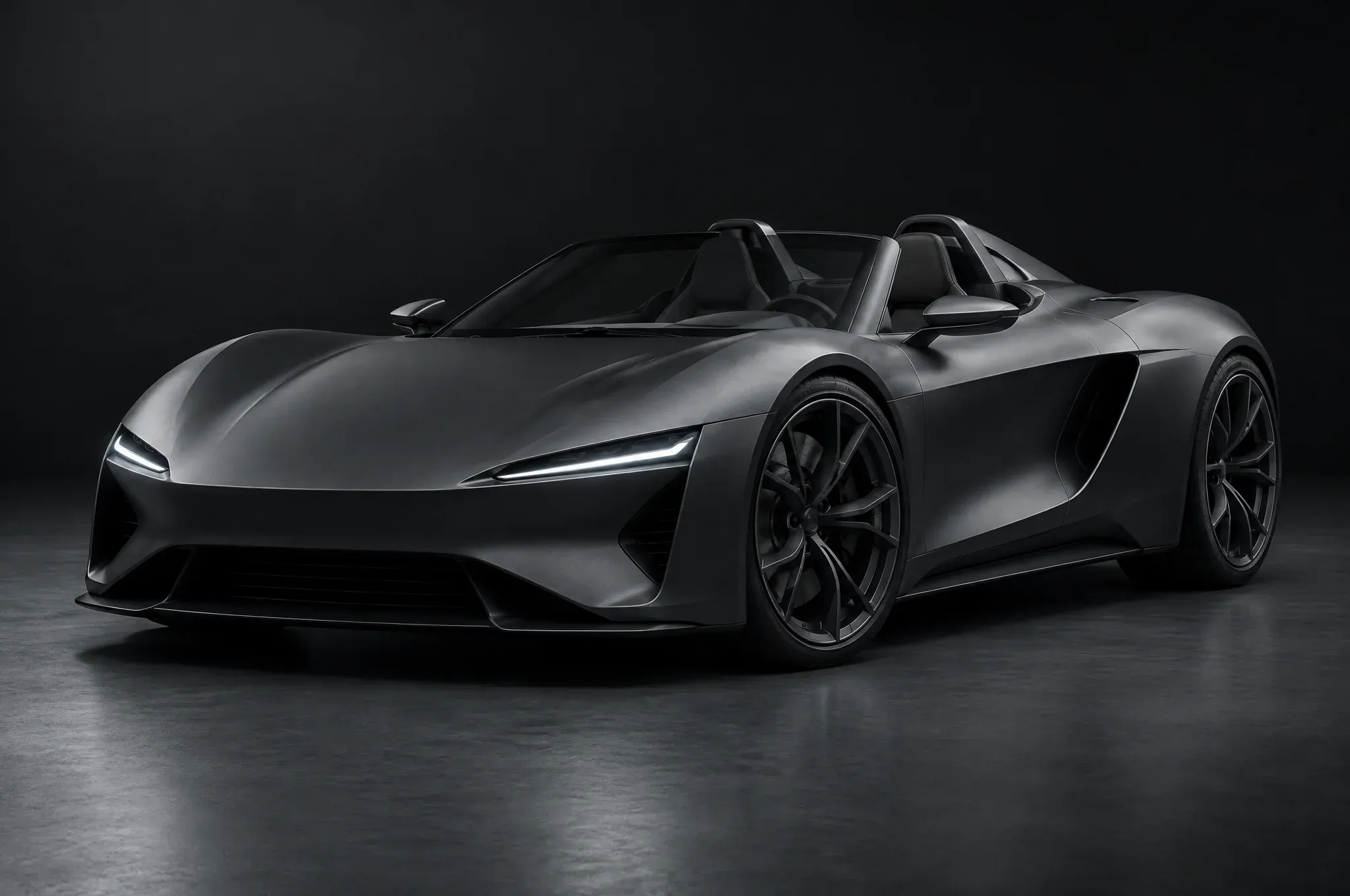
In an age of silent acceleration, the long-bonnet coupé is a design argument for proportion, patience and the open road.
Proportion is the oldest language in car design. A long bonnet, a cabin set back, a tail that tapers: these lines told you what a car was for long before anyone read a specification sheet.
Form that explains itself
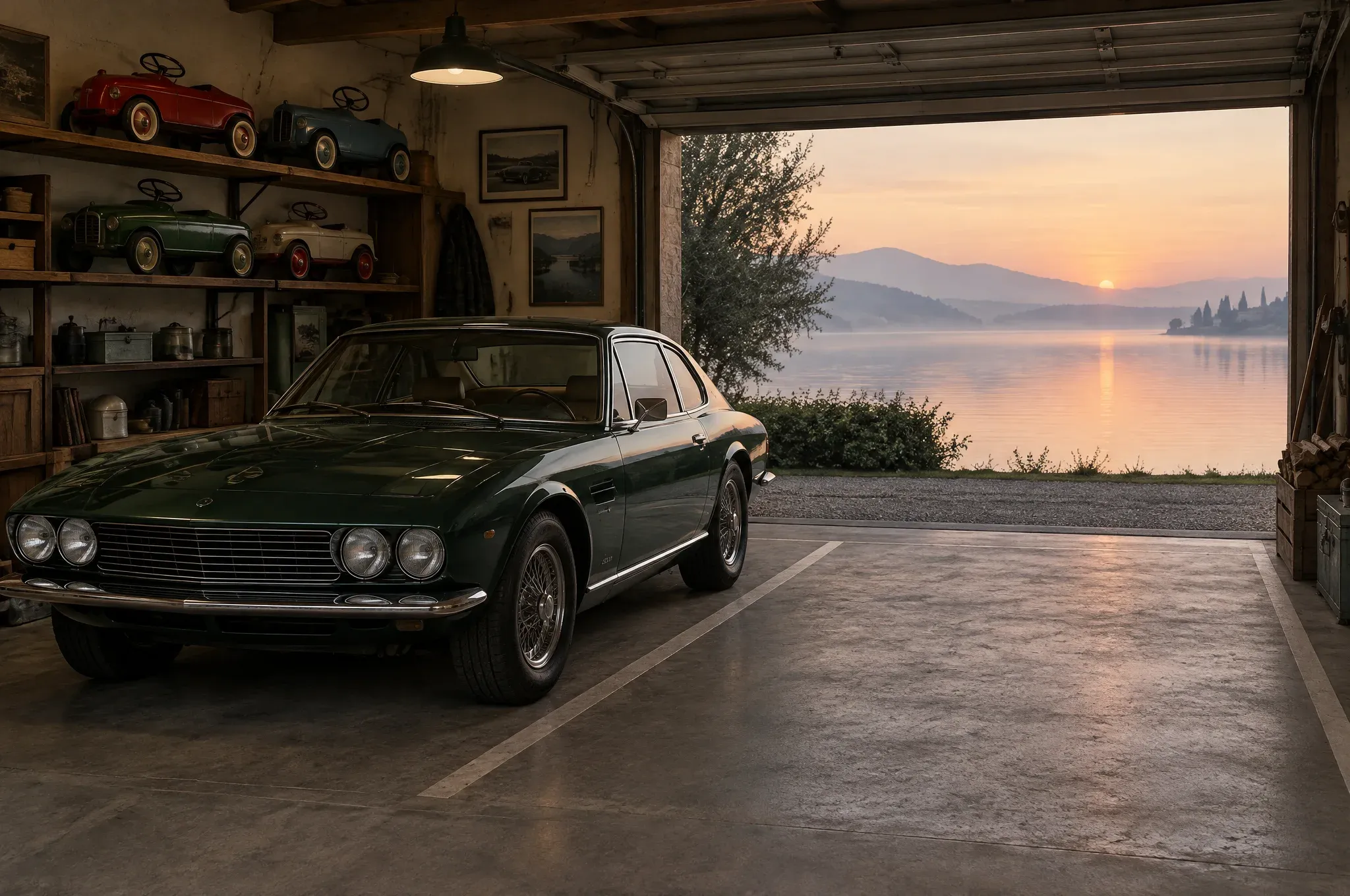
The grand tourer’s silhouette is functional in origin. A long nose housed a large engine; a generous cabin carried two people and their luggage over long distances. Even as drivetrains change, designers keep returning to that shape because it communicates calm power.
The road is the reason
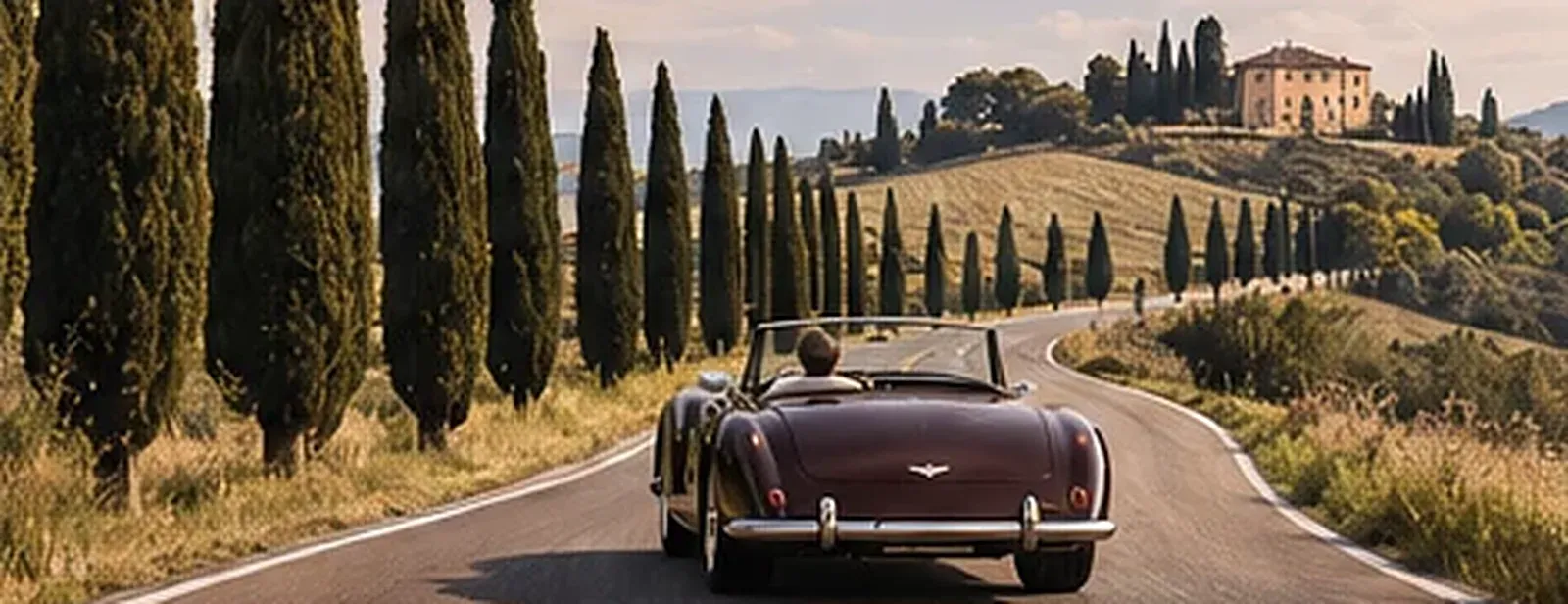
These cars make sense on roads that ask for rhythm — the coast road that hugs the cliffs, the mountain pass taken in third gear. They are not about the fastest lap but about the best day.
They are not about the fastest lap but about the best day.
What changes next
Electrification changes packaging but not desire. Lower floors and shorter bonnets are possible, yet many designers are choosing to keep the classic proportions. The grand tourer, it seems, is a shape worth keeping.