How to read a watch dial like a collector
Indices, hands, finishes and the colours that change with the light — what to look at first, and what it tells you about the watch.
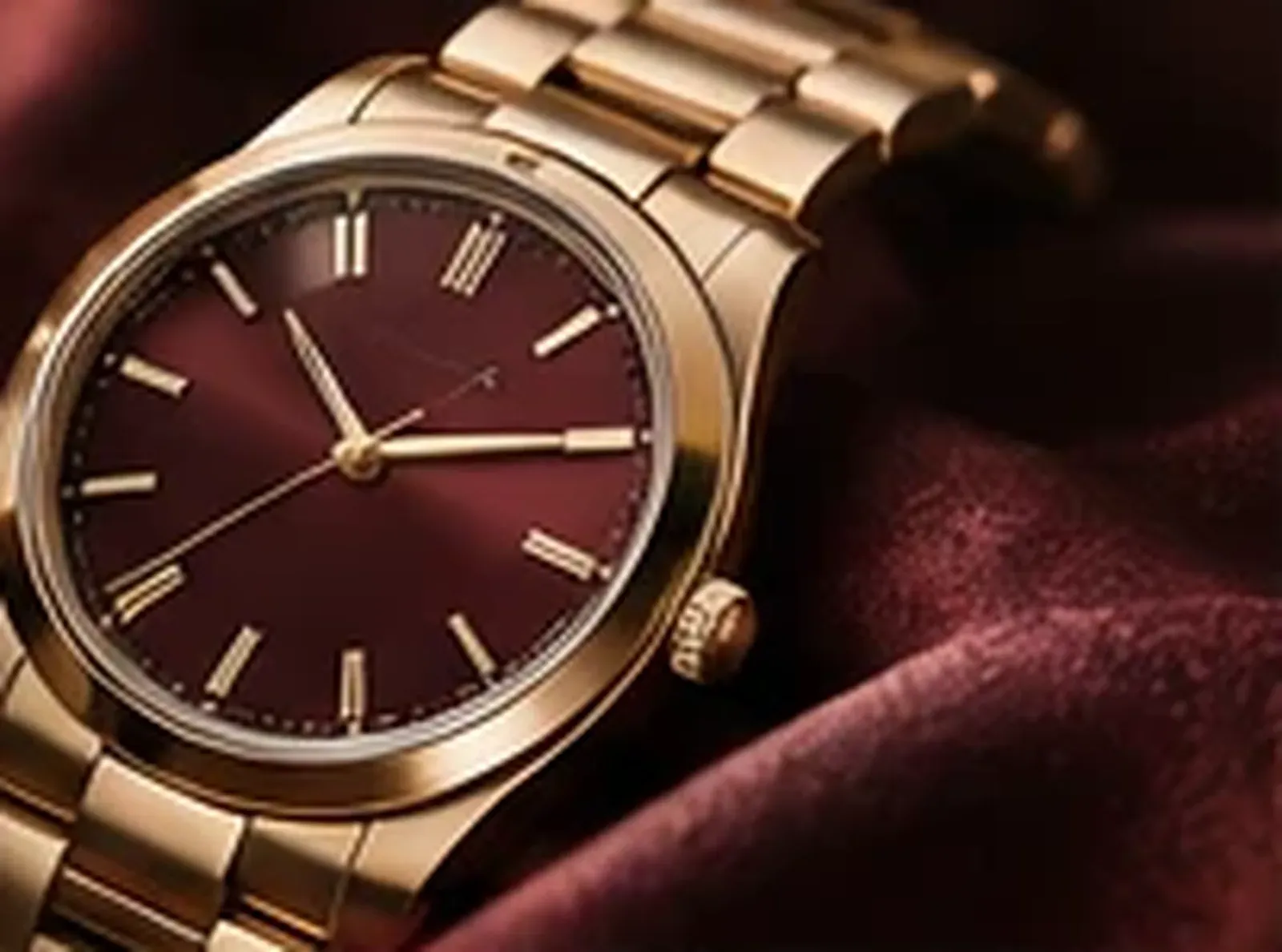
A watch dial is a few square centimetres of design, engineering and decoration. Learn to read it and you will understand a great deal about the watch before you ever turn it over.
Start with legibility
The first job of a dial is to tell the time at a glance. Look at the contrast between hands and background, the length of the minute hand (it should reach the minute track), and whether the indices are applied — separate pieces fixed to the dial — or printed.
Then look at the finish
Sunburst finishes radiate from the centre and make colour shift as the wrist moves. Lacquer gives depth and gloss. Enamel, fired in a kiln, is the most traditional and the most difficult to make without flaws.
A bordeaux dial is almost black indoors and unmistakably red in the sun. That is the finish at work.
Notice the details
Is the text balanced? Are the hands polished or blued? Does the date window interrupt the layout or sit naturally within it? Collectors talk about a dial being “clean” — it means every element has earned its place.
Colour as character
Deep tones like bordeaux, green and blue have become popular because they behave like neutrals in daily wear while revealing themselves in sunlight. Choose a colour that you would wear as fabric — if you’d wear it as a jacket, you will wear it on your wrist.