Milan, second time around: a collector's afternoon of vintage
The fashion capital keeps its past on the rails. Where to look, how to read a label, and why the last Sunday of the month belongs to the Naviglio Grande.
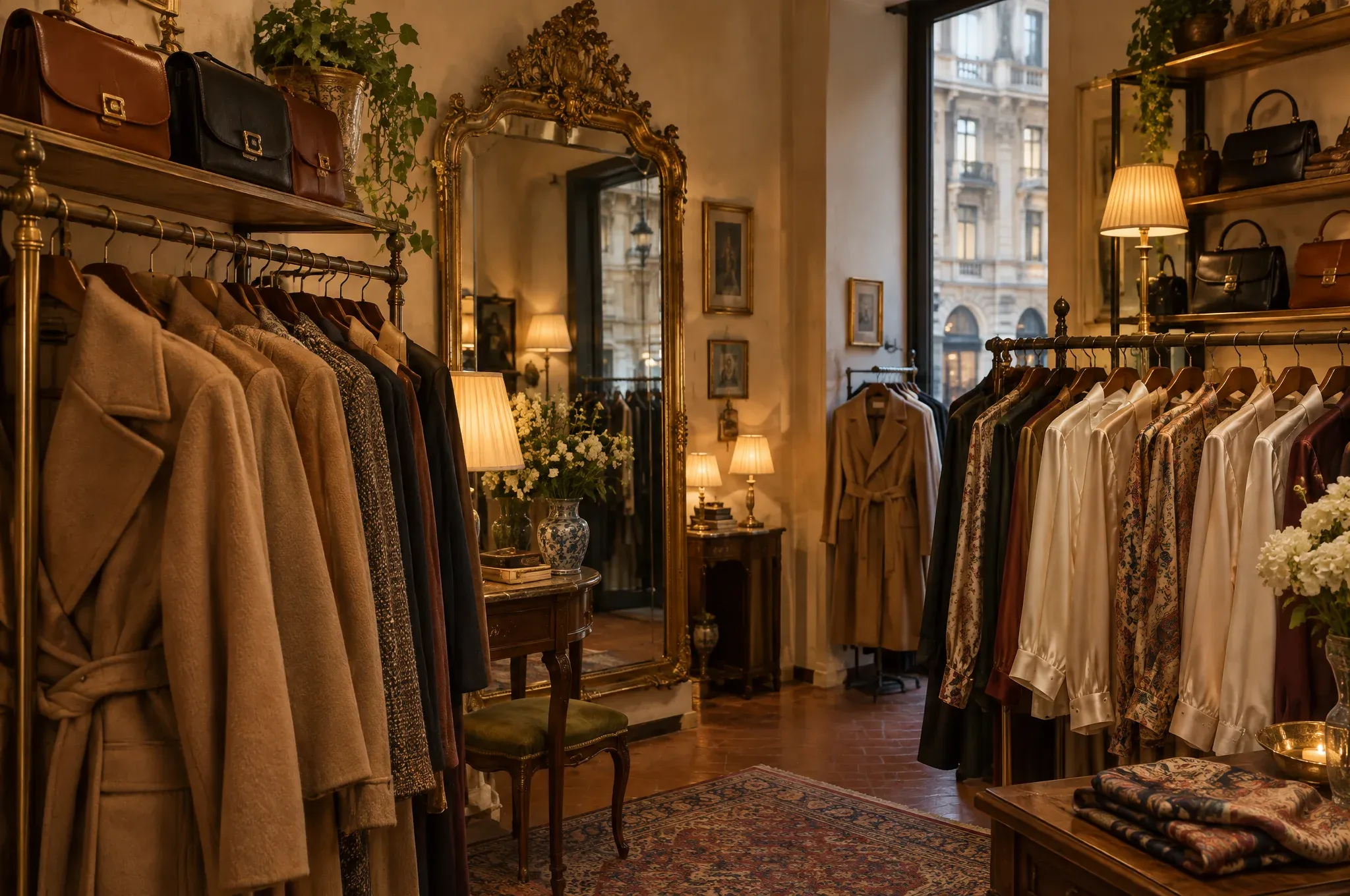
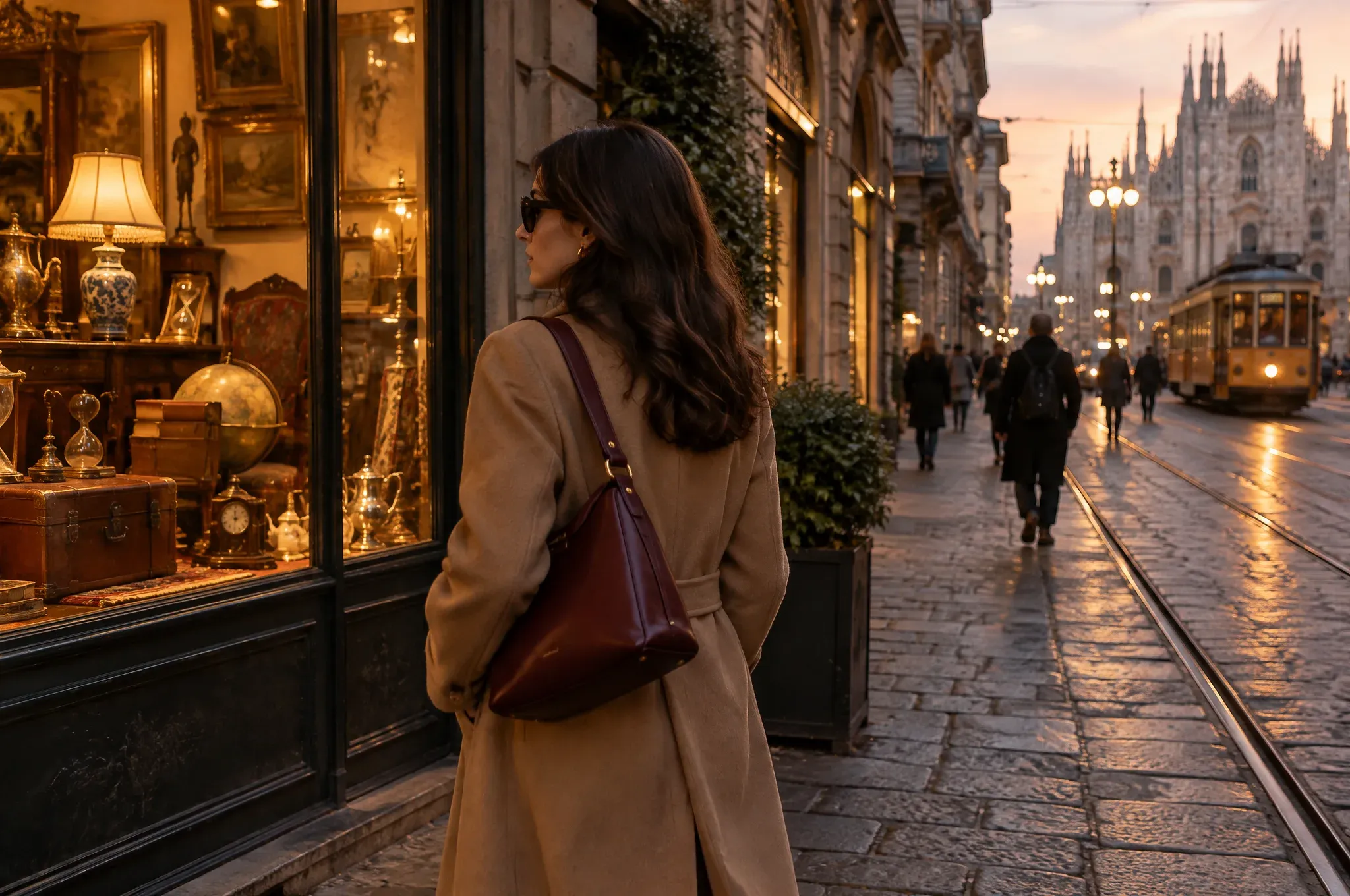
Milan sells the new season better than any city in the world, which is exactly why its vintage is so good. Decades of well-made Italian clothing have to go somewhere, and a surprising amount of it stays in town — on rails in Brera, in resale shops near Porta Venezia, and on trestle tables beside the canals.
Start with the archive mindset
The most serious vintage in Milan is treated less like second-hand and more like heritage. Cavalli e Nastri, one of the city’s best-known names for designer vintage, keeps a Vintage Archive that it opens by appointment to press, stylists, costume-makers, collectors and curators. Even if you are only browsing its shops, that is the right attitude: look slowly, handle carefully, ask questions.
In Milan, the best vintage is treated less like second-hand and more like heritage.
Read the label, then the seams
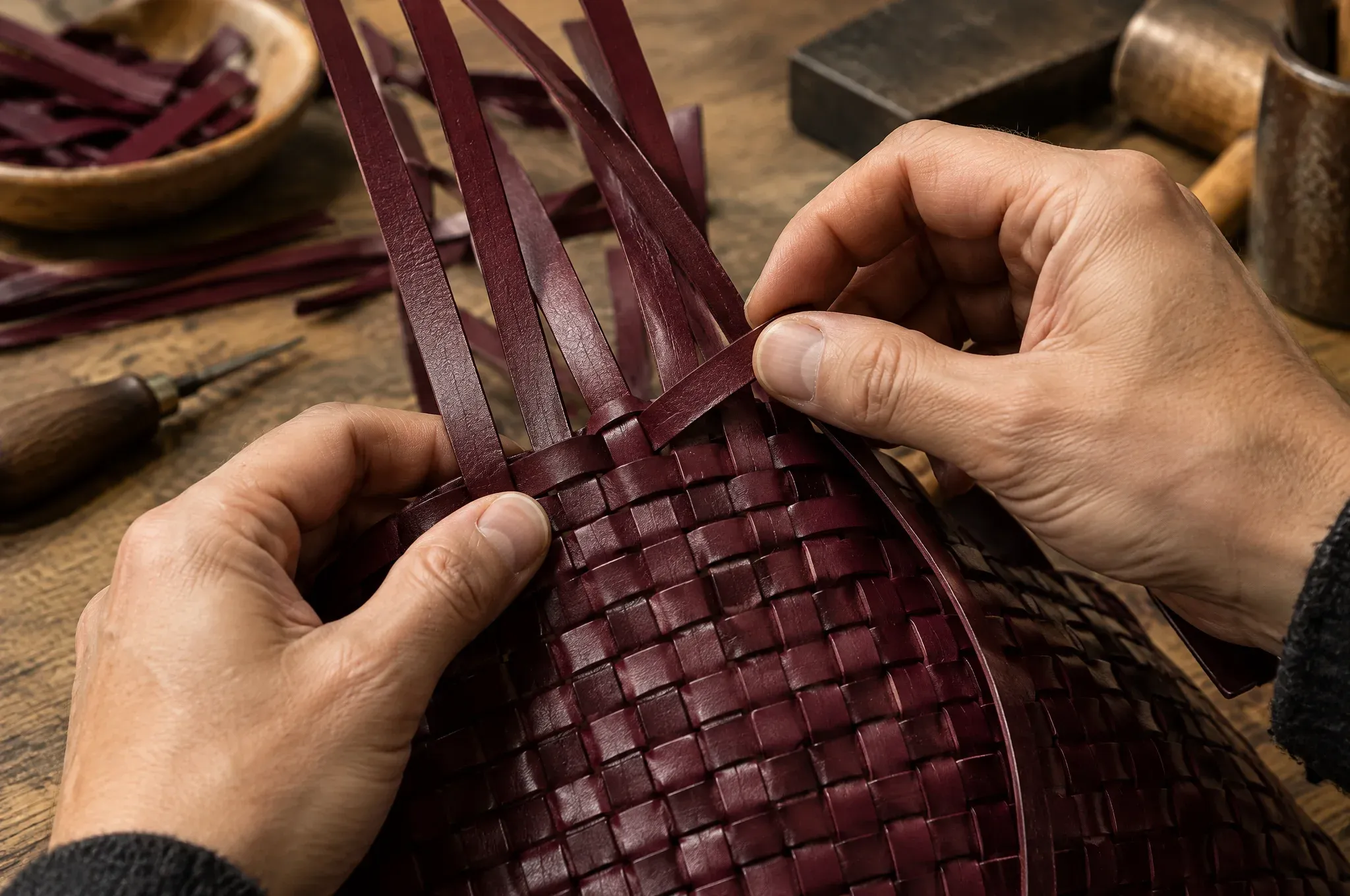
A label tells you the house; construction tells you the truth. Check the lining, the finishing inside the seams, the weight of the buttons and the condition of leather at the corners of a bag. Italian tailoring and leatherwork from the past decades often outclass their price — but only if the structure has survived.
Know your neighbourhoods
Brera is where to find curated, high-end pieces. Porta Venezia and Isola are known for resale and more accessible vintage, mixing contemporary pre-owned labels with older finds. The Navigli, along the canals to the south-west, belong to markets and small dealers. Hours change often, so check each shop’s own site or social account before you go.
The last Sunday of the month
Plan a Milan weekend around the Mercatone dell’Antiquariato on the Naviglio Grande. It takes place on the last Sunday of every month, with more than 380 exhibitors lined up along almost two kilometres of the canal, from viale Gorizia to the bridge at via Valenza, according to the organisers. Go early for furniture and objects; go late for conversation and the better price.
Buying well
Set a budget per piece, not per day. Prefer one exceptional coat to five interesting shirts. And keep a note of where each piece came from: provenance is part of the pleasure, and part of the value.